
Close

Cycling used to be a niche sport that people followed around the time of the Tour de France. Now, over the last few years, it's blown up into one huge global industry that involves sponsorships, endorsements, social media clout, and millions of dollars in contracts. Today's biggest stars aren't just athletes—they're global sports figures.
And in honest truth, there is tons of money at the elite level.
Although it may still be financially difficult for many cyclists early in their careers, top professional cyclists' pay can range into the millions per year, including team salaries, bonuses, endorsements, and partnerships with fitness, luxury, and sports companies.
Yet on the flip side, the sport is incredibly taxing and demanding. Professional cyclists spend hours upon hours of training every single day, on the move, constantly traveling, and participating in some of the most brutal endurance competitions on the planet.
So, before jumping into our 2026 highest-paid professional cyclist list, it's probably helpful to dive into what the life of a professional cyclist is truly like.
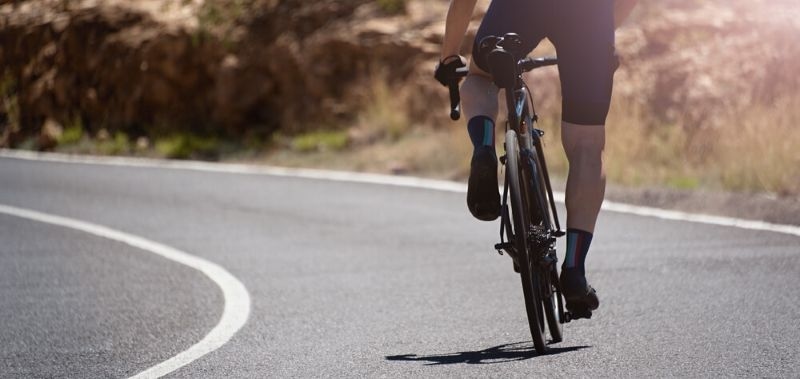
While it's mostly the race-day highlight reels that are seen by the public, a professional cyclist's life is so much more intense than it seems on a TV screen.
A professional cyclist spends hours on end in heavy strength training almost every day, enduring endurance rides, going to the gym, following their own rehabilitation programs, working on nutritional plans, and travelling internationally throughout the year. In peak racing seasons, many athletes are putting in 25+ hours per week of training.
They are also participating in races like the following:
It's a sport that truly demands stamina and sheer mental fortitude. Cyclists in mountain stages may even burn over 5,000 calories in a day.
Not everyone who makes a living from professional cycling earns millions of dollars. In reality, the divide in money within the sport is pretty stark.
According to UCI, the average minimum salary for a top-tier World Tour pro rider is around $70,000 for employed athletes. But this number significantly drops for lower-tier riders in regional racing circuits or for non-employed athletes.
This is why there are so many sponsorships and endorsements in modern cycling: the sport's biggest stars earn more from endorsements than from the actual prize money.
In 2026, the world will have many high-paying professional cyclists. Here are some for you to refer to:
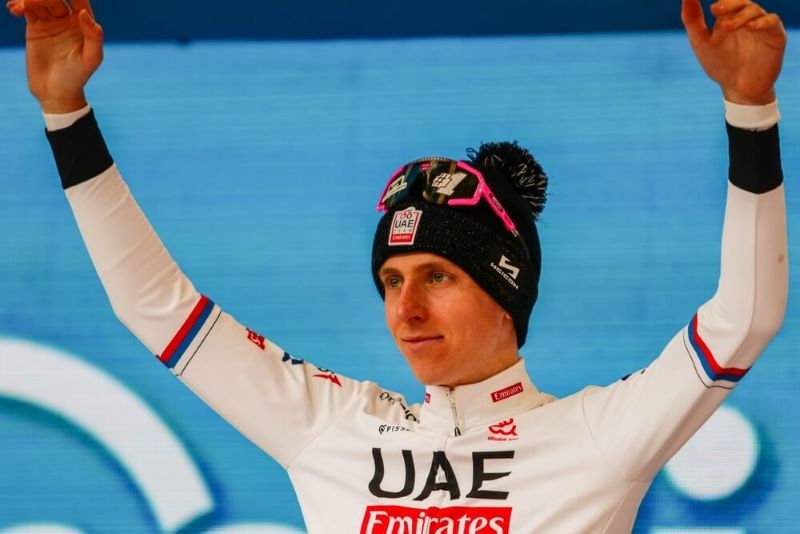
At this point, Tadej Pogaar just seems untouchable. The Slovenian became one of the sport's biggest stars at a young age with two Tour de France titles.
The fans love to watch Pogacar race because of his hyper-aggressive style and reluctance to play it safe. Along with his deal with UAE Team Emirates, Pogacar is raking in cash from endorsements and performance-based bonuses.
Arguably one of the biggest sports personalities in the world.
Jonas Vingegaard became the sport's biggest star after battling with Pogacar in some of the most intense Tour de France races to ever take place.
The Danish rider is calm and a monster climber, and his recent success with Team Visma-Lease a Bike has given him plenty of major endorsement deals on top of his salary.
Remco Evenepoel still feels like the future of professional cycling, although he has been winning major races since his younger days.
The Belgian built up a colossal fan base due to his lack of fear and composed mindset under pressure. Brands see long-term appeal in the 24-year-old's persona, leading to higher earnings.
Primo Roglič has a story unlike any other in professional sports—he used to be a ski jumper.
He transitioned into professional cycling and has quickly become one of the sport's most dominant riders. Multiple Grand Tour wins and a long history of consistent success have him well paid.
Mathieu van der Poel races as if he thrives in chaos. Whether on the road, in cyclocross, or in mountain biking, he is an absolute delight and attacking presence in races.
The excitement he brings is unmatched, and it's helped him secure big endorsement deals that have significantly boosted his earnings.
Wout van Aert is one of the few riders who has the ability to contend for victories in the time trial, a full mountain stage, and a sprint finish.
His all-around abilities make him a consistent and valuable asset to the cycling world, and he continues to perform at the top level.
Mark Cavendish has been a big name in cycling for so many years.
Widely considered one of the greatest sprinters of all time, he solidified his legendary status with countless stage wins in the Tour de France. Even late in his career, his fame and reputation bring major sponsorship opportunities.
Egan Bernal has become the darling of Colombian cycling after winning the Tour de France at only 22 years old.
Although injuries have unfortunately stalled his career progression, he is still highly respected throughout the cycling community and earns through endorsements and team salary.
Tom Pidcock has become one of Britain's most popular and respected cyclists due to his multi-disciplinary mastery of the sport.
He has won national and international competitions in mountain biking and road cycling events, and that broad appeal keeps him financially successful.
Jasper Philipsen has flown under the radar to become one of cycling's strongest sprinters in the last few seasons.
His consistency in major races has boosted his value and popularity among the world's fan bases.
While professional cycling may be one of the toughest sports in the world, it also offers some of the most financially rewarding opportunities for top athletes. The highest-paid professional cyclists today earn millions not just because they win races but because they have transcended the sport to become global sports celebrities with millions of devoted fans.
The sport is being taken to a new level, with athletes such as Tadej Pogacar, Jonas Vingegaard, and Mathieu van der Poel at the forefront, each appealing to brand-new demographics that have never been involved in cycling. With endorsements, sponsorships, and television coverage of races expected to grow each year, it will only become bigger over the next decade.
But beyond the dollar amount, these cyclists are more than just their paychecks. They are athletes who demonstrate unimaginable levels of discipline, stamina, and sustained consistency over multiple years in a physically punishing sport.
Modern professional cycling has an enormous business model centred around endorsements, and it all boils down to exposure. Brands will seek out the most popular and recognisable cyclists at major global events such as the Tour de France. This exposure is so significant for the brands and can potentially yield millions of dollars from endorsement deals, social media brand collaborations, and custom sportswear.
At the present moment in time, Tadej Pogacar and Jonas Vingegaard are likely two of the biggest sports figures in professional cycling globally. The narrative of their respective tours around the Tour de France has introduced so many new people to the sport that brand interest is at an all-time high.
Cycling is, by all means, considered one of the physically hardest sports globally due to the sheer endurance required. Cyclists are training for many hours at a time, at high intensities, in conditions ranging from harsh heat to frigid temperatures, over many days of competition


 What are the Best Road Bikes for Performance in 2026?
  Which is the Best Road Bike for Beginners in 2026?
  Why Electric Bikes are Dominating Cycling Trends in 2026?
  Cycling Safety Tips for Safer Roads and Confident Riding
  The Rise of Gravel Biking: Why Adventure Cycling is Booming
  Which Cycling Events in the USA Are Must-Watch in 2025?
  Cycling Safely in the Dark: Essential Tips for Night Riders