
Close

The common question among hockey players is how to increase slap shot speed. This is because players take stronger and faster shots without overcomplicating their training. Players know that it is not just about their strength, because it depends more on their technique.
This blog will help you with the steps that can help you increase slap shot speed.
Top Pick: The 5 Tallest NHL Players and How They Ruled the Game
A strong shot usually starts with simple things done right. The slap shot technique is not about swinging as hard as possible. It is about control first; then power follows.
The stick should move back in a straight line. Not too high, not too wide. A clean path makes the shot more consistent. When players swing too far back, they lose timing, and the shot feels rushed.
The body position matters just as much. Knees should stay slightly bent. That small bend helps with balance and makes it easier to move forward during the shot. Standing straight might feel easier, but it reduces the ability to generate force.
Another detail that often gets ignored is where the stick hits the ice. The stick should touch the ice just before the puck. This creates a flex in the stick. That flex stores energy and releases it into the shot.
People often ask who has the fastest slapshot, but the real focus should be on how skilled players actually shoot. Their movement is smooth, not rushed. There is no wasted motion.
One thing stands out immediately. The weight shift is clear. Players move their weight from the back leg to the front leg in one steady motion. It is not forced. It just flows. That shift adds power without making the shot look heavy.
The follow-through is another detail that matters more than most expect. After hitting the puck, the stick keeps moving forward. It does not stop suddenly. This keeps the shot controlled and adds direction.
Grip also plays a quiet but important role. Hands should not be too tight. A slightly relaxed grip allows better control and smoother movement. Tight hands make the swing stiff, and that affects speed.
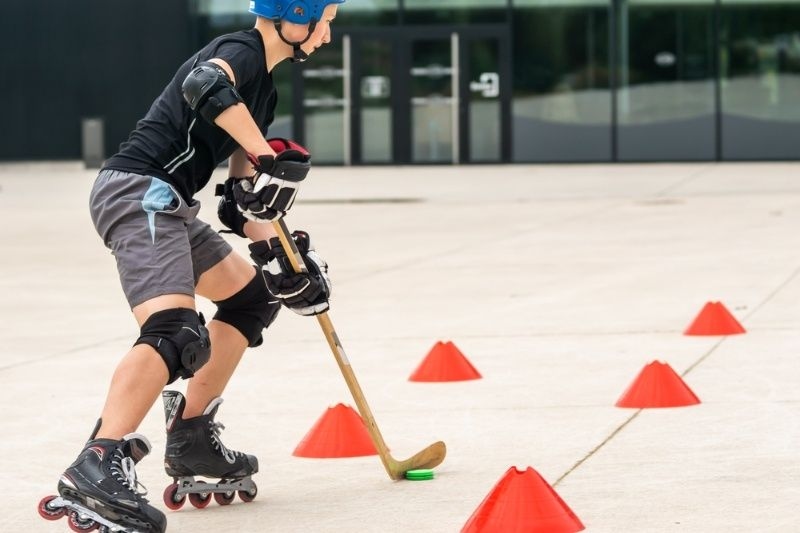
Improving shot speed becomes easier when the process is broken down. Each step builds on the previous one. Skipping steps often leads to poor habits.
The player should stand with feet slightly apart and knees bent. This position creates stability and allows the body to move freely during the shot. A stable start makes everything that follows more controlled.
The puck should sit slightly ahead of the front foot. This helps the stick make contact with the ice first. That small adjustment can change how much power goes into the shot.
The stick should move back in a straight line. There is no need for a wide or dramatic motion. A simple swing keeps the timing clean and helps in making solid contact.
The player should move weight from the back leg to the front leg during the swing. This step is where most of the power comes from. It should feel natural, not forced.
The stick should strike the ice before the puck. This creates flex and stores energy. When the stick snaps back, it adds speed to the shot without extra effort from the player.
After contact, the stick should continue moving toward the target. This keeps the shot accurate and ensures that all the energy goes into the puck. Stopping early reduces speed.
Must Read: 6 Proven Strategies to Sharpen and Improve Hockey Sense
Practice is where real improvement happens. Without it, even the best technique fades. Using the right hockey shooting drills helps players stay consistent and build confidence over time.
The player should repeat the same motion again and again. Not quickly, but carefully. Each shot should feel controlled. Over time, the body starts remembering the movement without thinking too much.
Standing in one place and focusing on form helps improve balance and control. This drill removes distractions and allows the player to focus only on the motion.
Adding targets makes practice more engaging. It also improves accuracy along with speed. The player should aim for different spots while maintaining proper form.
Sometimes, slowing things down helps more than rushing. Practicing the motion slowly allows the player to notice small mistakes and correct them early.
Practicing off the ice helps build confidence. It allows more repetition without pressure. Over time, this translates into better performance during actual play.
Learning how to shoot a hockey puck harder is not about hitting harder. It is about moving better. The body needs to function as a single unit.
The legs start the movement. They provide the base and push the body forward. The core then transfers that energy upward. The shoulders guide the direction, and the arms complete the motion.
When this sequence is smooth, the shot feels effortless. When it is not, the shot feels forced. That is usually where players struggle.
Balance also plays a quiet role here. A stable body allows more energy to go into the shot. If the body is off balance, some of that energy is lost.
Small adjustments can change everything. A slight bend in the knees. A smoother weight shift. A cleaner follow-through. These details may seem minor, but they add up quickly.
Improving shot speed takes time, but the concept is simple. One requires proper techniques, consistent practice, and patience to allow the body to function as one unit. Making slight adjustments in movement can greatly enhance your technique and make the shots faster and cleaner.
It can be improved by improving techniques, smooth weight transfer, and practice. Sometimes, improving control can lead to improved speed.
Yes, technique plays a bigger role. With proper movement, one can transfer more power into the shot without applying extra effort.
Regular practice is essential. Although short practice sessions can be conducted regularly, they can lead to significant improvements over time.


 7 Best Ice Hockey Goalie Drills for Improving Your Reflex
  The 5 Tallest NHL Players and How They Ruled the Game
  6 Proven Strategies to Sharpen and Improve Hockey Sense
  A Guide for Defenders to Avoid Roughing the Passer Penalty
  Loaded Stretching for Hockey: Boost Flexibility and Warm-Up
  Top 10 Traits Every Hockey Player Must Master for Success
  Top Essential Hockey Drills for Beginners to Master the Game