
Close

Few tactical innovations have transformed modern football quite like the False Nine in Soccer. Watching a center forward abandon the traditional penalty box to operate near the center circle confuses opponents and mesmerizes spectators. Tactical performance studies show that teams utilizing flexible forward drops generate over 20% more final third passing combinations than those relying on static target men. This movement leaves central defenders facing an impossible dilemma: step up and leave dangerous space behind, or stay back and give away midfield control.
Understanding this dynamic role reveals how elite managers manipulate defensive structures. The strategy reimagines central attacking play by turning a traditional scoring position into a fluid playmaking hub.
In this tactical breakdown, we explain how this tactical setup functions, examine core responsibilities, weigh key structural pros and cons, and contrast this role with traditional forward setups.
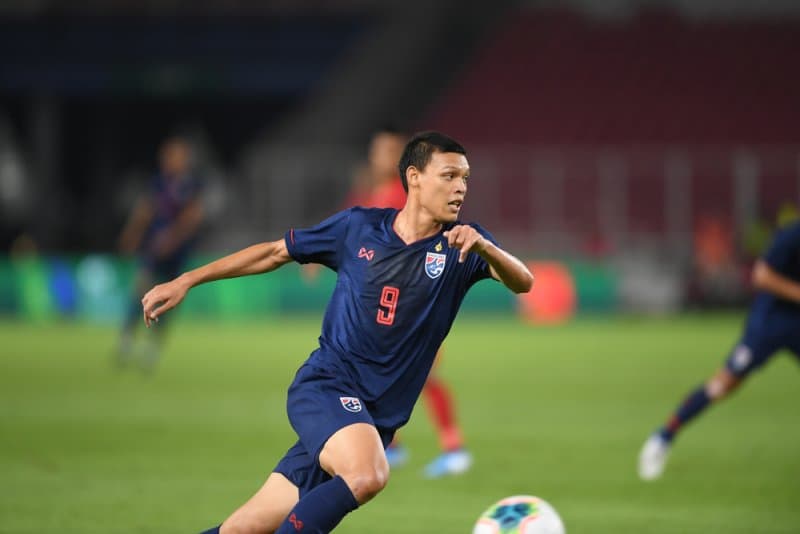
A false nine is an unconventional center forward who regularly drops deep into the midfield area rather than staying high against opposition center backs. In a traditional setup, the number nine occupies central defenders, acts as an aerial focal point, and seeks direct scoring opportunities inside the box. Conversely, this deep-dropping attacker functions like an extra playmaker.
By pulling away from the defensive line, this role creates severe structural confusion. Opposing defenders must constantly decide whether to mark the player into midfield or hold their defensive shape.
To understand how does a false nine position work, you must look at how space opens up on the pitch. When the forward drops deep into the half spaces, they pull at least one central defender out of position. This movement opens up dangerous passing channels behind the defensive line. Inside a fluid False nine formation, wingers and attacking midfielders make diagonal runs directly into the vacant central spaces.
| Phase | Forward Action | Team Impact |
| Possession | Drops into central midfield | Creates 4v3 numerical overload |
| Transition | Receives turn between lines | Pulls center back high out of position |
| Final Attack | Slides through balls | Opens wingers to score in central channels |
As a result, the team dominates ball possession while creating high-probability scoring chances. This dynamic tactical role relies on constant movement, short passing triangles, and flawless timing to dismantle deep defensive blocks.
Executing this role requires a unique blend of technical mastery and tactical awareness. The key responsibilities of a false nine striker extend far beyond simple goal-scoring duties.
Must Try: Popular Soccer Formations & Tactics that Work Effectively
When analysts debate the best false 9 in soccer, Lionel Messi under Pep Guardiola at FC Barcelona stands as the gold standard. During the 2009 season, Guardiola moved Messi from the right wing into a central deep position against Real Madrid. That tactical adjustment produced an iconic 6-2 victory and revolutionized modern tactical thinking.
Other world-class players have mastered these demands in recent years. Roberto Firmino anchored Liverpool's Premier League-winning attack by creating space for wide forwards, while Cesc Fàbregas famously excelled in this role for the Spanish national team.
Every tactical system involves trade-offs. Analyzing the advantages and disadvantages of using a false nine helps coaches evaluate if their roster suits this complex setup.
Fans frequently confuse these two deep attacking positions, yet distinct structural details define them. Examining the difference between a false nine and a second striker clears up this common misunderstanding.
| Feature | False Nine | Second Striker |
| Starting Location | Highest lone center forward position | Directly behind a target center forward |
| Primary Objective | Vacate central zone to open space for wingers | Play off a primary focal point striker |
| Opposing Target | Manipulates center back decision-making | Operates in gaps left by central target |
A second striker starts their movement behind a primary target man. They collect second balls and operate in the open gaps left by the main center forward. In contrast, this deep dropping forward starts as the lone focal point before completely vacating that central space to confuse the opponent's backline.
Essential Reads: Soccer Strategy and Tactics: The Best Ways to Play
Mastering modern football strategy requires understanding how space is created, occupied, and exploited on the pitch. Throughout this article, we examined how this fluid tactical setup transforms traditional attacking patterns by dropping forwards deep into midfield. We outlined the primary duties of playmaking forwards, highlighted legendary individual performances, analyzed key tactical trade-offs, and clarified structural differences compared to traditional supporting strikers.
Elevating your tactical understanding of the beautiful game brings a whole new level of appreciation to every match you watch. Having the right insights lets you see structural patterns before they lead to decisive goals.
To take your game analysis to the next level, explore our comprehensive gear reviews and expert training guides to equip yourself with winning football insights today.
Center backs typically counter a deep-dropping attacker by utilizing zonal communication or employing a defensive midfielder to screen the space. Instead of following the forward into midfield, center backs stay compact, allowing holding midfielders to pick up the dropping player while preserving the core defensive line structure.
The four three three and four two three one formations provide the ideal structural framework for this strategy. These setups feature wide wingers who can make inward diagonal runs and attacking midfielders who naturally support short passing combinations in central areas.
Playing this system without natural wide players is extremely difficult because wide runners are necessary to exploit the vacant central space. Without wingers cutting inside, dropping deeper simply clutters the central midfield zone without threatening the opponent's goal.
Players in this role require exceptional first touch control, high-level spatial awareness, rapid decision-making, and precise short passing ability. They must also maintain calm under heavy physical pressure when receiving the ball with their back to goal.
Coaches should avoid this strategy when their squad lacks intelligent, high-scoring wide players or when facing opponents with extremely deep, compact defensive lines. In those scenarios, having a strong physical box presence usually yields far better attacking results.


 Popular Soccer Formations & Tactics that Work Effectively
 Ultimate Soccer Equipment Checklist for Game Ready Gear
 Top 10 Rising Football Stars 2025 Making Headlines
 How to Become a Better Soccer Player: Pro Tips & Techniques?
 How Soccer Shapes Global Culture and Unites Communities?
 Plyometric Training for Soccer: Boosting Power & Performance
 Decoding VAR: Impact of Video Assistant Referee in Soccer