
Close

Tennis has always been a sport where small things make a difference. A tiny change in how you hold your racket when you hit the ball or what racket you use can change how you play. Lately, it’s been noticed that players are changing their rackets a lot. If you've ever wondered why players switch rackets, it's not about looks or who they're sponsored by. It's about how they play, how comfortable they are, and their game plan.
This blog looks at the reasons why players change rackets, how things like how tight the strings are and sweat affect it, and how it fits into their overall tennis strategy.
Tennis today is faster and more physical than before. Players hit the ball harder, move faster, and use a lot of spin; because of this, the equipment has changed a lot, too.
Rackets now are made with materials like graphite and carbon fiber. These let players hit the ball harder without losing control. As the game changes, players must change their gear to stay competitive. This is a reason players switch rackets more often now.
A very small number of e-ball (Engaged Balance of the Racket) differences can have a drastic impact on the player's game. For this reason, players go through many different rackets trying to find one that works for them.
One of the largest factors influencing whether or not a player will change rackets is that they are always in search of better play. Players look for all aspects of play—accuracy, power, and consistency—in the racket they choose.
A player who can't control their shots might switch to a racket that’s more precise. Someone who wants to hit the ball might prefer a lighter racket with a bigger head. These changes are often small. Make a big difference.
This process explains why players change rackets during a season. It's not about being inconsistent. It's about getting better.
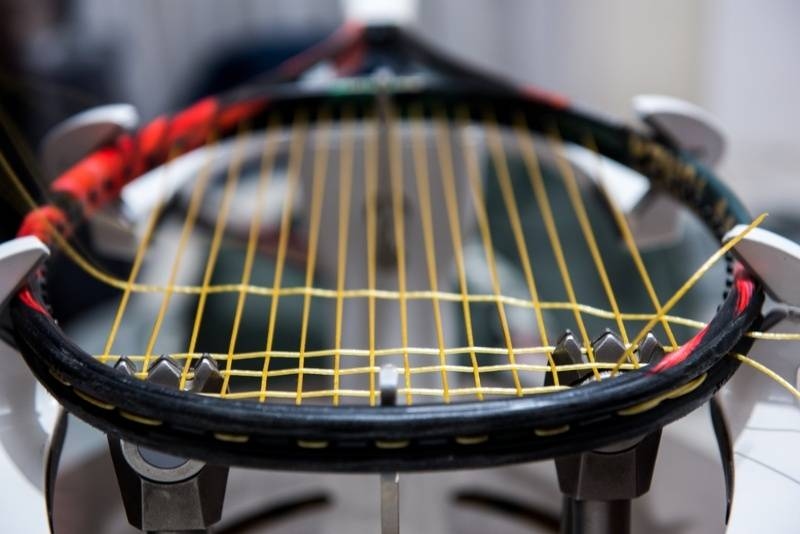
The strings on a racket are just as important as the racket itself. Over time, they get looser, which affects how the racket plays. Shots may feel less controlled. The power might change. A common problem is when the strings break. When they do, the racket can't be there. Players must switch right away.
Another key thing is to know when to replace the strings. Professionals often replace theirs before every match to play their best. Even casual players need to check their strings to play well.
These things are reasons players switch rackets, as new strings make the racket feel better and more reliable.
Read More: What Is a Flat Serve in Tennis? Simple Guide for Players
During tennis matches, especially when the weather is warm, sweat is a problem. Sweat makes it hard to hold the tennis racket, which means players have less control over the tennis racket, and it is harder to hit shots with the tennis racket.
When the grip of the tennis racket gets slippery, players might have trouble hitting the ball accurately with the tennis racket. To avoid this problem, players often switch to tennis rackets with grips or replace the old grips on their tennis rackets during breaks in the match.
This is another reason why players change tennis rackets during matches. It is not always about the tennis racket itself. About keeping a good grip on the tennis racket.
Playing tennis is tough on the body, the arms, and the shoulders. Using a tennis racket can increase the risk of getting hurt.
Players often change their tennis equipment to stay comfortable and avoid having long-term problems. A tennis racket that is too heavy or too stiff can cause fatigue or pain over time, so players change to a tennis racket that is more comfortable to use.
Switching rackets lets players stay comfortable while still playing well. This is one of the subtle but important reasons players switch rackets.
The tennis court surface is a deal. Clay courts are about spin, grass courts are about speed, and hard courts need a mix of both.
Tennis players change their rackets to fit the court they are playing on. What works on clay might not work on grass. The weather also matters because heat and humidity can change how the strings feel and how the grip works.
This is another reason tennis players change rackets. They want to stay competitive wherever they are playing.
Tennis players often switch rackets during a match. They do this to change their game plan.
If a player is hitting the ball far, they might switch to a racket with tighter strings to get more control. If they need to hit the ball, they might choose a different racket.
These decisions are made fast. It can change the outcome of the match. This shows how important the racket is to the game plan.
Feeling confident is huge in tennis. Sometimes players switch rackets just because they feel more comfortable with one.
If a player feels like something is off, even if it is a little thing, it can mess with their head. Changing rackets can help them feel better and more in control.
This is another reason players change rackets, even if there is nothing wrong with the one they have.
Tennis equipment is always getting better. Companies are always making new rackets that are better designed, more stable, and work better.
Players are always trying out these rackets to get an edge. Even small changes can make a difference when you are playing at a high level.
This means that players are always looking for better rackets, which is why they switch so often.
Professional tennis players change rackets a lot because they need to be perfect. Tennis involves precision in the length of the strings, freshness of the tennis grip, and balance of the racket. People who enjoy casual tennis play may not need to replace their racquet frequently; however, casual players can still gain valuable insights from more experienced players by learning how frequently to restring their racquet or what to do when a string breaks.
Regardless of how serious you are about tennis, maintaining your racquet will enhance your experience.
Tennis is a competitive game, and players strive to improve. The quality of equipment is integral to achieving this.
From dealing with strings to knowing when to restring your racket, every little thing matters. Even something simple, such as sweat, can affect how you hold your racket, which can change how you play.
Besides the scenario when a racket gets broken or is going to be broken, players normally use the chance of changing one racket for another as an opportunity to get a fresh string tension and to get a better grip. Even if technically nothing is broken, small differences at the performance level matter, and racket switching therefore helps players remain consistent and confident throughout the match.
Someone who takes good care of their tennis racket can reasonably expect it to still be in good condition after a few years. That said, strings and grips are the parts that degrade most quickly. Restringing your racket regularly and replacing the grip are necessary steps not only for the longevity of the sports equipment but also for top performance.
Inevitably, racket weight affects the degree of power, control, and comfort one can have. For instance, heavier rackets are considered more stable, while lighter ones provide a faster swing. Based on their style of play, players often change their rackets to match the desired performance level even during the matches.
Exposure to extreme heat or humidity can lead to tension changes as well as a decline in the quality of the grip. Even though rackets are built to be fairly sturdy, external environmental elements do impact one's performance, which is why players resort to adjusting or changing their rackets when playing in different weather conditions.


 How to Improve Tennis Footwork with Proven Movement Drills?
  What are the Tennis Rules Every Beginner Should Know?
  Who are the Greatest Tennis Grand Slam Winners So Far?
  Best Tennis Shoes for Hard Courts, Clay Courts, and Grass Courts
  What is a Flat Serve in Tennis? Simple Guide for Players
  Tennis Grips 101: How Each Grip Type Impacts Your Game
  AI Coaching: Revolutionizing Tennis Training in 2025