
Close

Watching your favorite basketball stars dominate on the court is thrilling, but seeing them build incredible financial empires is inspiring. Finding out who tops the list of the richest NBA players of all time shows a fascinating shift in how professional athletes handle their money. According to financial tracking metrics from Forbes and Bloomberg, the combined wealth of top basketball icons now reaches well into the billions, proving that elite court vision translates directly into boardroom dominance.
Many casual fans assume that high player salaries generate all of this massive personal wealth. However, true generational riches stem from smart equity investments, global brand licensing, tech startup funding, and real estate acquisition. In this detailed sports business guide, we will analyze ten of the wealthiest hoopers in history, breaking down their estimated net worth, primary income sources, and key business moves.
Must Try: Who is the Richest Baseball Player in the World in 2026?
Here is the list of the NBA players who are richest:
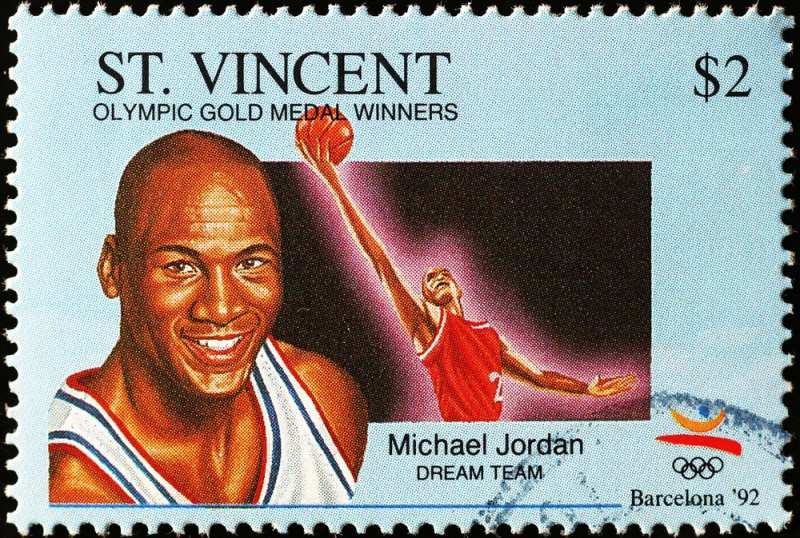
Michael Jordan is widely recognized as the pinnacle of athletic financial success, boasting an extraordinary net worth estimated at $3.5 billion to $4.7 billion. While his playing career earned him roughly $94 million in total NBA salary, his visionary partnership with Nike to create Jordan Brand transformed sports marketing forever.
Annual royalties from Jordan Brand continue to generate hundreds of millions of dollars each year. Furthermore, his strategic sale of a majority stake in the Charlotte Hornets NBA franchise in 2023 netted him billions in profit. Jordan remains a legendary symbol of how an athlete can transcend sports to become a global business icon.
Earvin "Magic" Johnson built a legendary post-retirement fortune, establishing an estimated net worth of $1.5 billion to $1.6 billion. Although he earned about $40 million during his playing days with the Los Angeles Lakers, Magic turned his focus to business through Magic Johnson Enterprises.
His diverse portfolio includes major equity holdings in EquiTrust Life Insurance, movie theater chains, Starbucks franchises, and real estate ventures. He also owns stakes in premier sports franchises like the Los Angeles Dodgers, Washington Commanders, and LAFC. Magic stands as a masterclass in leveraging athletic fame into long-term corporate success.
Junior Bridgeman crafted one of the most remarkable business success stories in sports history, building a net worth of approximately $1.4 billion to $1.5 billion. During his twelve-year NBA career ending in 1987, Bridgeman earned under $3 million in playing salary.
Rather than relying on his playing income, he invested wisely in fast-food franchises, eventually owning over 160 Wendy's locations and 120 Chili's restaurants. Later, he acquired major Coca-Cola bottling operations and media publications like Ebony magazine. His legacy highlights the massive potential of entrepreneurial grit and smart franchise investments.
LeBron James made history by becoming an active player billionaire, compiling a current net worth of $1.0 billion to $1.2 billion. As one of the highest-paid athletes in history, LeBron has earned over $480 million in NBA salary alone.
His off-court moves include a lucrative lifetime endorsement deal with Nike, a key equity stake in Blaze Pizza, and a major share in Fenway Sports Group. Furthermore, his media company, SpringHill Entertainment, produces hit movies and television projects. LeBron represents the modern blueprint for active players taking total control of their personal brand and business ventures.
Shaquille O'Neal transformed his larger-than-life personality into a thriving commercial empire, commanding a net worth of around $500 million. After earning nearly $292 million in playing contracts, Shaq invested heavily in tech companies like Google early on, alongside Papa John's franchises, car washes, and fitness centers.
He remains one of the most visible endorsers globally, partnering with brands like Icy Hot, Reebok, and Carnival Cruise Line. His fun media persona and sharp investment instincts guarantee a consistent stream of cash flow long after retirement.
Vinnie "The Microwave" Johnson achieved extraordinary wealth through industrial manufacturing, amassing an estimated net worth of $500 million. A key bench player for the championship Detroit Pistons in the 1980s, Johnson earned modest player contracts during his career.
In 1995, he founded Piston Automotive, an auto supply company based in Detroit. Under his leadership as CEO, the company grew into a multi-billion-dollar enterprise supplying major automakers. Johnson's inspiring journey demonstrates how former athletes can excel in traditional corporate sectors.
Kevin Durant has combined elite scoring consistency with sharp venture capital investments, generating a net worth of approximately $300 million to $400 million. Alongside lucrative maximum NBA salary contracts, Durant co-founded Thirty Five Ventures (35V) and the media network Boardroom.
His investment group made early moves in tech startups, sports media platforms, and women's sports teams. Combined with a lifetime sneaker deal with Nike, Durant continues expanding his digital and venture footprint worldwide.
Hakeem "The Dream" Olajuwon built an incredible real estate portfolio after his playing days, reaching a net worth of roughly $300 million. The legendary Houston Rockets center earned around $103 million in player salaries.
Rather than stock market plays, Olajuwon invested directly in Houston commercial real estate, buying land, parking garages, and residential properties with cash. His patient, debt-free investment philosophy turned local properties into a massive real estate empire.
Russell Westbrook leverages his intense energy and unique personal style to build a net worth of around $300 million. A former league MVP, Westbrook earned massive multi-year contracts throughout his career.
Beyond basketball, he launched his fashion line Honor the Gift, invested heavily in automotive dealerships, and backed tech startups. Westbrook's authentic approach to fashion and business allows him to capitalize on his personal brand effectively.
Stephen Curry revolutionized how basketball is played while constructing a fortune estimated between $250 million and $350 million. As the first player to sign multiple $200 million NBA contracts, Curry earns top-tier playing salaries.
His landmark deal with Under Armour includes equity and his own Curry Brand sub-label. Additionally, his media company Unanimous Media produces films and television shows, securing his long-term financial future.
Essential Reads: Touchdown: Exploring the Rich Heritage of American Football
Examining the financial journeys of the richest NBA players of all time reveals how athletic excellence can pave the way toward true generational wealth. From Michael Jordan's iconic shoe brand to Junior Bridgeman's fast-food empire and Hakeem Olajuwon's real estate investments, these legends prove that long-term vision matters just as much as court talent. Active stars like LeBron James and Kevin Durant continue pushing these financial boundaries, inspiring future generations of athletes to think like corporate leaders.
Understanding how these icons handle capital, negotiate equity, and diversify investments offers valuable lessons for anyone aiming to build lasting financial independence.
Are you ready to elevate your sports knowledge and stay updated on the latest athlete insights? Explore expert sports reviews and breakdown guides today to stay ahead of the game!
Modern NBA players protect their wealth by hiring professional financial advisors, setting up trust funds, and diversifying investments across real estate, index funds, and venture capital. The NBA Players Association also offers mandatory financial literacy programs for rookies, teaching budgeting, tax management, and smart long-term asset protection strategies.
For superstar players, off-court endorsements often account for over fifty to seventy percent of their total annual earnings. While salary contracts provide stable guaranteed income, long-term deals with major shoe companies, beverage brands, and digital platforms generate massive recurring revenue that often exceeds on-court player pay.
Former players favor real estate because it offers tangible, predictable long-term appreciation alongside reliable rental cash flow. Real estate investments also provide significant tax benefits, hedge against inflation, and allow athletes to build generational physical assets without facing the high volatility of early-stage tech startup investments.
The standardized rookie scale contract sets fixed salary amounts for first-round draft picks during their first four seasons. This structure guarantees early financial stability while encouraging young players to secure private endorsement deals early, giving them reliable capital to invest before negotiating their massive second contract extensions.
Active NBA players cannot own direct equity in NBA teams due to strict league collective bargaining rules regarding competitive balance. However, players are allowed to invest in professional teams across other sports leagues, such as Major League Baseball, Major League Soccer, or European football clubs.


 Why Sports Nutrition for Basketball Players is Essential?
  NBA 2025 Season: Teams, Players & Championship Predictions
  Beyond the Score: Key Metrics for Elite Basketball Analysis
  Top 10 American NBA Stars to Watch in 2024: A Closer Look
  How Teamwork Drives Basketball Success: Insights, Strategies
  Top 20 Unforgettable Moments in College Basketball History
  Ambidexterity in Basketball: Tips for Using Both Hands