
Close

Stepping onto the hardwood with the wrong footwear is a fast track to painful blisters, slipped cuts, and frustrating sprains. Finding out how to choose basketball shoes tailored specifically to your foot shape and playing style gives you the ultimate competitive edge. Sports medicine statistics show that ankle sprains alone account for up to 53% of all basketball injuries, making proper court footwear your most critical defensive gear. Unlike standard running shoes designed strictly for linear forward motion, basketball sneakers must withstand relentless multi-directional stress.
Every crossover, hard stop, rebound landing, and lateral slide demands precise traction, locked-in support, and responsive impact protection. In this complete basketball shoe buying guide inspired by Adidas, we will explore shoe anatomy, compare collar cuts, analyze position-specific demands, break down court surfaces, and answer your top fitting questions.
When shopping for high-performance court footwear, you must evaluate specific technical features rather than relying solely on aesthetics or brand popularity:
Evaluating high-top vs low-top basketball shoes comes down to personal preference, ankle mobility goals, and injury history.
High-tops wrap securely above the ankle joint to deliver maximum lateral stability and reassuring mental confidence. They are heavier than lower cuts, making them ideal for heavy rebounders and post players who value physical support over raw speed.
Mid-tops sit right at the ankle line, providing a balanced compromise between stability and speed. Versatile wing players and slashers who move fluidly across all court zones favor this hybrid design.
Low-tops allow complete freedom of motion at the ankle joint for explosive multi-directional cuts. Point guards and fast-break handlers prefer low-tops because their lightweight construction minimizes leg fatigue over long games.
Must Try: Free Throw Basics: 5 Expert Tips To Elevate Basketball Game
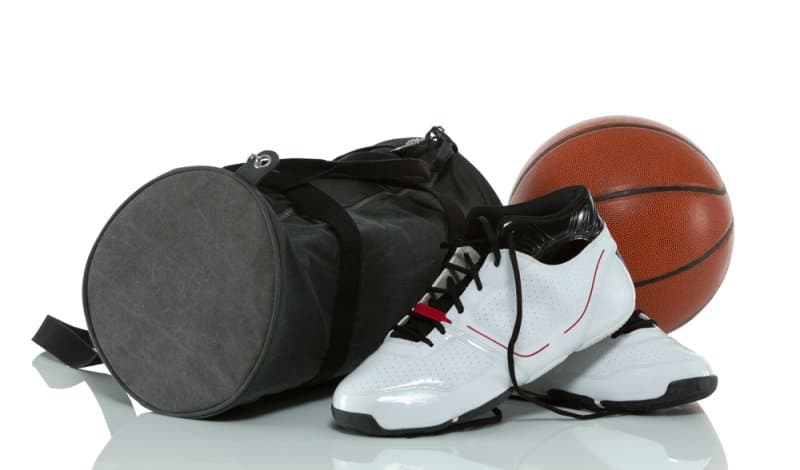
Selecting basketball shoes for different positions ensures your footwear matches your specific tactical duties on the floor.
| Court Position | Primary On-Court Needs | Recommended Shoe Features |
| Point & Shooting Guards | Speed, quick crossovers, sharp stops | Low-cut, lightweight, razor-sharp grip |
| Small & Power Forwards | Versatility, driving, rebounding | Mid-cut, balanced cushion, stable base |
| Centers & Post Players | Heavy impact landing, boxing out | High-cut, maximum heel cushioning |
Where you play dictates the type of outsole material you need for lasting performance.
Indoor courts accumulate dust, making soft rubber compounds with fine traction grooves necessary to grip smooth, polished floors. Wiping your outsoles regularly during games removes micro-dust build-up.
Asphalt and concrete surfaces wear down soft indoor rubber within weeks. Look for durable basketball shoes engineered with extra-dense, thick rubber outsoles and wide tread channels designed specifically for streetball courts.
Testing proper lacing techniques before stepping on the court helps lock down your heel securely. The video below demonstrates proper lacing adjustments and fit checks to ensure ideal lockdown.
Knowing how should basketball shoes fit prevents painful foot injuries like toe bruising and heel slipping.
When trying on shoes, wear the exact cushioned socks you plan to play in. You should feel a snug, locked-in fit across your midfoot and heel, with zero slipping when stepping laterally. Leave roughly a thumb's width (about one-half inch) of space between your longest toe and the end of the toe box to prevent black toenails during hard forward stops.
Try This: Beyond the Score: Key Metrics for Elite Basketball Analysis
Mastering how to choose basketball shoes comes down to matching shoe technology directly to your personal position, court surface, and ankle support needs. Throughout this comprehensive guide, we broke down sneaker anatomy, outlined what to look for when buying basketball shoes, compared collar cuts, analyzed position requirements, and established proper fitting guidelines. Taking time to test heel lockdown, traction grip, and midsole cushioning guarantees you step onto the court with complete confidence.
Equipping yourself with the right pair protects your joints, elevates your athletic performance, and keeps you playing at your best all season long.
Are you ready to upgrade your game with high-performance gear that fits like a glove? Explore comprehensive footwear reviews, compare top-rated court models, and find your perfect pair today!
Choosing shoes for your playing style requires identifying whether you rely on speed, jump power, or post stability. Speedy players need lightweight low tops with aggressive grips, high-flyers need thick, responsive midsole cushioning, and physical post players require wide, stable high tops with maximum ankle lockdown.
To find your exact size, measure your feet while wearing thick basketball socks late in the afternoon when feet expand. Ensure there is a thumb-width gap between your longest toe and the front tip, while confirming your heel stays firmly seated without lifting when walking.
Replace your basketball shoes every 50 to 70 hours of play or every three to four months of regular use. Warning signs include smoothed-out outsole tread patterns, compressed midsoles that no longer absorb landing shock, frayed upper stitching, or frequent foot soreness after practices.
Break in new basketball shoes gradually by wearing them around the house with game socks for short 30-minute periods. Progress to light shooting drills and practice sessions before playing full-intensity competitive games to let uppers soften and midsoles conform to your feet safely.
You should not wear basketball shoes for long-distance running because they are significantly heavier, stiffer, and built for lateral stability rather than continuous forward heel-to-toe transitions. Running in basketball shoes can cause unnecessary foot fatigue, shin splints, and joint discomfort over extended pavement distances.


 Who are the Top 10 Richest NBA Players of all Time?
 Why Sports Nutrition for Basketball Players is Essential?
 NBA 2025 Season: Teams, Players & Championship Predictions
 Beyond the Score: Key Metrics for Elite Basketball Analysis
 Top 10 American NBA Stars to Watch in 2024: A Closer Look
 How Teamwork Drives Basketball Success: Insights, Strategies
 Top 20 Unforgettable Moments in College Basketball History