
Close

The way people move around cities is undergoing a massive shift. Sitting in gridlock or watching your bank account drain at the gas pump gets old fast. Because of that, electric bikes are completely taking over the pavement this year. The global market for these machines hit USD 54.70 billion last year and is on track to reach USD 59.35 billion in 2026.
Here is exactly why the cycling landscape looks totally different today.
Must Read: 10 Essential Bike Maintenance Tips for Beginner Cyclists
High gas prices and packed city streets are pushing people to their absolute limit. Commuters want a cheaper, faster way to get to work without arriving drenched in sweat. That is where the commuter electric bike comes in to save the day. Cities are finally building real bike lanes, and governments are offering solid tax breaks to get people on two wheels.
In addition to this, the tech is also pretty good. Modern batteries last way longer, and the motors do not die on steep hills anymore. Dropping your car keys and switching to electric cycling saves you thousands of dollars on maintenance and parking fees every single year. It just makes sense.
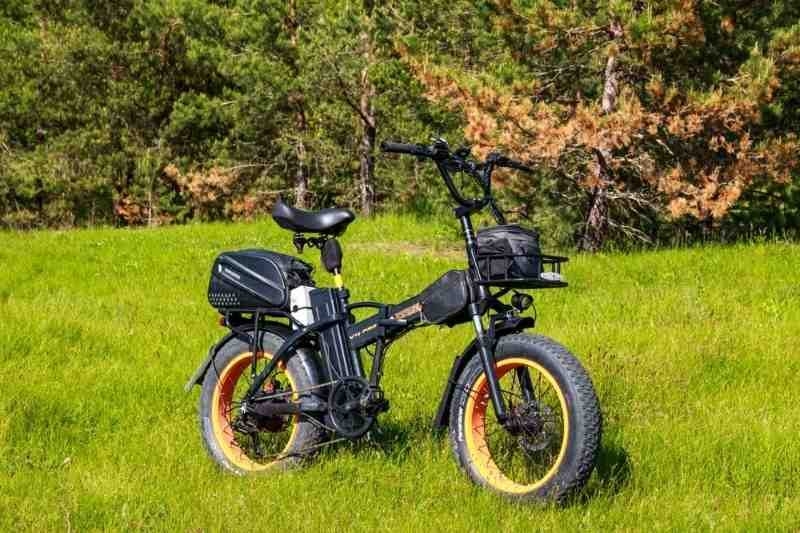
Picking the right setup depends on your actual route. Here are five highly capable options dominating the market right now:
This rugged machine uses a 1500W peak motor to hit speeds up to 28 MPH. It is built for riders who want pro-level endurance and need to smash through rough paths. You get a massive 60 to 90-mile range per charge.
Built for crowded city streets. It keeps you sitting upright and handles comfortably, so you can smash through a hectic commute safely without feeling every bump.
Perfect if you want to hit dirt paths or cruise around on weekends. The 350W motor and 21 gears give you plenty of muscle to climb steep hills without gassing out.
A highly practical option for quick neighborhood trips. This 7.8 Ah setup hits speeds over 25 km/h and gives you up to 40 kilometers of reliable range on a single charge.
Built for stability over much longer distances. It packs a 13 Ah battery and Microshift 21 gears to help you maintain a solid cruising speed across rough streets.
Top Pick: Cycling Safety Tips for Safer Roads and Confident Riding
Switching to battery-powered wheels alters your daily routine for the better. Look at the exact upgrades you get when you ditch the car:
No more buying premium gas, paying for mandatory insurance, or covering expensive engine repairs. Charging a battery costs pennies.
Sitting stuck in a lane for an hour is a choice. Riding lets you slide right past gridlocked cars using dedicated bike lanes.
You get to slash your carbon footprint significantly. It is a highly sustainable travel method that keeps the city air cleaner.
The motor helps you pedal, but your legs are still moving. You get a solid workout without showing up to your desk exhausted.
Finding a tight parking spot in a crowded downtown area is a total nightmare. These cycles let you lock up on the sidewalk for zero dollars.
Getting stuck with a completely dead battery miles from home is a massive pain. Keep these specific factors in mind to accurately map out your trip distance:
Heavy loads kill your mileage. Packing a massive backpack or piling groceries onto the rack forces the motor to work twice as hard, which drains the battery in a flash.
Cranking the pedal assist to max or leaning heavily on the hand throttle empties the pack fast. If you actually want to go far, drop the power setting and use your legs more.
Cruising across flat, smoothly paved concrete takes very little effort. Tackling steep hills or loose gravel paths eats through your power fast.
Lithium-ion packs naturally degrade a bit over time. Leaving your bike out in extreme freezing weather or baking heat also limits your true range.
The technology driving this industry is moving fast. Watch for these major upgrades rolling out across the market:
Modern setups link straight to your smartphone via Bluetooth. You can track your mileage, check your battery life, and use built-in GPS to lock down anti-theft tracking.
New systems use basic AI sensors to read the road. The bike automatically increases the motor's help the second it senses a steep hill or a strong headwind.
The industry standard is shifting toward massive 1000W and 1500W peak setups. Riders want to cruise at 28 MPH without the motor straining.
More brands are building stretched frames meant to carry children or heavy deliveries. It makes replacing a family car totally realistic.
Sticking to your old car commute just wastes time and saps your monthly budget. Investing in the best e-bike gives you total freedom to bypass city traffic while stacking up real financial savings. Pick a model that handles your daily mileage and take control of your transit routine today.
You should avoid deep snow blankets because thin tires lose traction fast. Light slush is usually fine with wide and fat tires, but freezing salt on the road can corrode the aluminum frame over time if you do not wipe it down.
Most modern builds come with a physical key slot that locks the battery straight into the frame. You should always click the lock shut or simply pop the battery out and slide it into your bag when leaving the frame on a public rack.
Yes. The chain and pedals still function exactly like a standard bicycle. The frame will just feel significantly heavier to pedal manually because you are dragging the dead weight of the motor and battery pack up hills.


 What are the Best Road Bikes for Performance in 2026?
  Which is the Best Road Bike for Beginners in 2026?
  Who Are the Top 10 Highest Paid Professional Cyclists?
  Cycling Safety Tips for Safer Roads and Confident Riding
  The Rise of Gravel Biking: Why Adventure Cycling is Booming
  Which Cycling Events in the USA Are Must-Watch in 2025?
  Cycling Safely in the Dark: Essential Tips for Night Riders