
Close

Football wearables have completely changed the game—literally. Training, recovery, and even how teams compete now all run on data rather than just a coach’s instinct. Thanks to organizations like FIFA and companies such as Catapult Sports, wearable tech isn’t just a trendy extra anymore—it’s become a toolbox standard for most pro clubs. Why? Because it helps coaches keep an eye on player workloads, reduce injuries, and push performance to the next level.
Now that football’s faster and rougher than ever, no detail goes unnoticed. Every sprint, break, and bit of downtime counts. Coaches want facts, not hunches, and players are always chasing any edge they can get.
This guide walks through how football teams actually use wearables, wearable tech in football, what devices are out there, football performance tracking, what kind of data they dig up, why it’s all become essential, and how wearable technology is used in football—from first-time players to the world’s best.
Football wearables are basically smart sensors you strap on during practice and games to track how you move and how you’re holding up. Most pros slip a small device into a lightweight vest between their shoulder blades, but you’ll also see smartwatches, heart-rate straps, high-tech insoles, and even smart shirts.
These gadgets keep feeding data straight into software, where coaches and sports scientists take a closer look.
Here’s what they’re watching:
So instead of educated guesses, teams now work off real numbers.
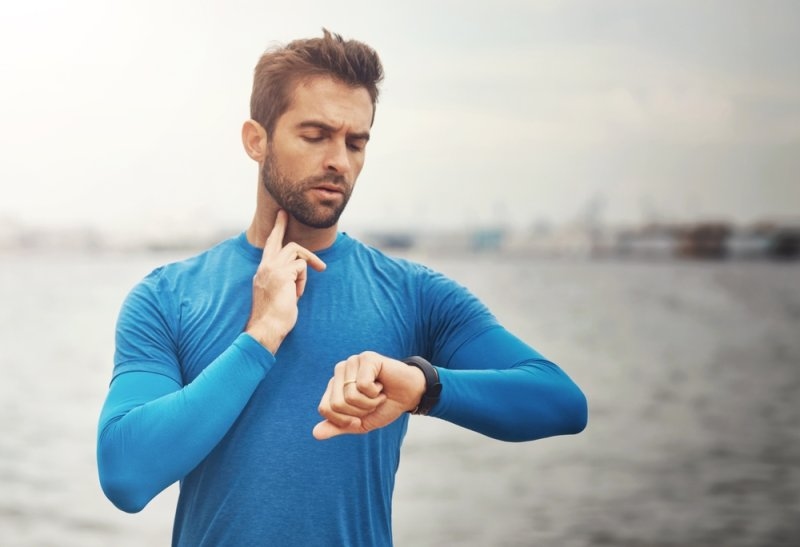
Pro teams use a mix of wearable tech to capture the full picture of a player’s health and performance.
These sit in a vest and track everything: speed, total distance, sprints, acceleration, and movement. Coaches use this info to spot overtraining and tweak schedules before problems start.
These strap around your chest or arm, measuring exactly how hard your heart beats during every drill. Match that with GPS data, and coaches get a clearer sense of a player’s load.
IMUs are little boxes of sensors—accelerometers, gyros, and magnetometers—catching stuff GPS can't like:
It is great for injury prevention.
These are smart shirts or shorts with sensors woven in that track muscle use, posture, and breathing—all without getting in the way.
Running starts at your feet, so knowing how you plant and push off matters. Smart insoles spot abnormal pressure points and bad habits before they lead to injuries.
Rest is a weapon. Wearables now watch sleep quality, body temp, HRV, and readiness. Coaches can tell if a player’s really ready to go again.
More teams are using body cams in training to teach players where to look, how to move, and what decisions work. Less common than GPS but growing fast.
Head injuries are serious, so mouthguards and headband sensors now alert medical staff if a collision is too hard. These don’t diagnose concussions but help medical teams stay ahead of trouble.
Try This: Best Plyometrics for Soccer: How to Build Match-Day Power?
These days, coaching isn’t just about goals and assists—it’s about breaking down every physical detail and football performance tracking.
The data shows exactly how far every player runs. Midfielders often hit over 10 kilometers, while wingers typically log the most sprints. This helps coaches match training to what actually happens in matches.
Football depends on bursts of speed. Trackers measure sprint count, fastest speed, sprint duration, and high-intensity runs. This shows whether a player is sharp or running on empty.
Workload is a composite of all the numbers into a single score. Push too hard, risk goes up. By tracking it, sports scientists balance workloads so nobody burns out halfway through the season.
The best thing about football wearable technology is it leads to smarter decisions. Coaches don’t have to rely on gut feel—they get hard data to guide players every step.
Fatigue is usually there before something snaps. Wearables flag when the workload's getting too high, so coaches can cut back before trouble starts.
Every player’s different. Wearables let coaches adapt plans rather than just give everyone the same drills. Fewer injuries, more improvement.
It’s not just the big-name clubs buying in. National teams, academies, colleges, and even weekend leagues are now using this tech to gain an edge.
Ahead of games, coaches dig into performance data to see who’s ready. If someone’s been grinding too hard, they get more rest or lighter drills so they can be fresh for kickoff.
After games, trackers watch heart recovery, training load, and fatigue. Medical teams draw on more than just a player’s word before sending someone back on the pitch.
Academies use wearables to customize training for young players. It’s more careful—adjusting loads for age and fitness so kids improve without burning out.
Football wearable technology isn’t slowing down. When it comes to performance reviews, early injury prediction, and rehabilitation plans for individual athletes, artificial intelligence is accelerating all of these processes. Soon, wearables will link stats and video together, giving coaches and players a complete game breakdown.
As gear gets cheaper and tech keeps improving, even more players—at any level—will use it to boost training and keep healthy.
Must Try: What is a VAR System & How It Shapes the Future of Football?
Football wearables have ushered the sport into a new era, where coaches and players rely on real-time insights rather than just watching training and crossing their fingers. With GPS, heart rate, workload, and recovery tracking, these devices help coaches make smart calls and protect their players’ health.
It doesn’t matter if you’re a pro or just starting out. Wearable data sharpens training, lowers injury risk, and helps everyone show up ready to compete. And as sports science advances, wearables will shape how teams develop, compete, and win. Keeping up with these tools is a big part of the modern game—don’t fall behind.
Absolutely. Many starter wearables are made for regular players and are pretty affordable now. You can see your running, speed, heart rate, and training load—enough to spot weak spots, get fitter, and avoid overdoing it even without a full coaching staff.
Yes, in lots of pro leagues, FIFA-approved tracking systems are legal. These devices pass safety checks and don’t mess up the flow of the game, so teams can quietly collect data during real matches.
Definitely. Even though keepers don’t cover as much ground, trackers pick up their movement patterns, reaction speed, jumping, and workload. Having this kind of data can assist trainers in developing more specific training regimens and keepers in tracking health throughout the year.



 What Is a Touchback in NFL Football? A Simple Rules Guide
  Who are on the FIFA Club World Cup Winners List, 1930-2026?
  Best Plyometrics for Soccer: How to Build Match-Day Power?
  Understanding Different Football Positions & Their Roles
  Best Football Drills To Build Skills And Match Confidence
  The Ranking of the Most Valuable Football Teams in the World
  NFL Defensive Schemes: How Modern Defenses Stop QBs