
Close

Every tennis surface calls for a different type of movement from the player. In addition to making tennis shoes more important than most people realize, the best tennis shoes are designed for different types of courts. For example, hard courts call for extra cushion, while clay courts enable a player to slide and need extra stopping power, needing a different shoe than the speedy grass courts.
Hard courts are hard on your body, as the surface can absorb the impact when you are moving around. If you are constantly practicing for hours on end on these hard surfaces, then you are going to want to purchase a tennis shoe for hard court play that is durable, with great cushioning and support.
Nike has a hard court tennis shoe with a springy cushion and lightweight support, which many players like for the fast ping itself, speed, and comfort in fast ping. They also use the outsole durability for practicing several times a week on rough courts.
Asics is very dedicated to providing stability and shock absorption. Many players who experience knee or ankle problems wear Asics tennis shoes because they feel very stable during long matches. Thirty to fifty percent of competitive players prefer Asics because their hard-court tennis shoes feel good and provide traction.
Adidas offers a mixture of cushioning and flexibility for aggressive baseline players. Although typically lightweight, they offer an ample amount of support during fast lateral movements. Durable outsole construction makes it a staple for many hard courters.
New Balance's strength lies in comfort and wider fittings. Players with narrow feet have found a comfortable fit at New Balance. The cushion underfoot helps take the pounding out of longer practice sessions and thus has become a good choice for shoes for hard courts in tennis.
Check This Blog: Why Players Change Rackets and How It Impacts Performance?
Clay courts demand distinctive movement patterns since players tend to slide into shots. The most suitable tennis shoes for clay surfaces feature a herringbone outsole pattern in order to enhance traction and facilitate controlled sliding. The tennis shoes for sliding are as crucial as the ones for clay court tennis for players who favor a defensive game style and long rallies.
Babolat packs several features into its clay court shoes. Many thanks to the outsole grip, players can slide naturally without losing balance. The excellent framework helps them move and turn flexibly on the court. Most clay court top players prefer this brand for the ideal transition in extended baseline exchanges.
Wilson has some solid options of clay court shoes with good traction and breathable uppers. Long hours on stodgier courts can be aided by comfort and weightless shoes.
The Head designs clay court shoes that offer significant side support and have the perfect balance of grip. The shoe allows a player to get back on their feet after a slide while feeling comfortable when executing dynamic styles.
Asics footwear also excels for clay. It combines stability with optimum traction. It gives just enough slide and sliding control to prevent foot abuse when having a heavy day at the courts.
The grass courts are quick and slippery. The players need fast reactions, a stable grip, and the feeling of lightness because they often play shorter points. The most suitable tennis shoes for the grass courts are lighter and well-designed for quick movements than heavy cushioning.
Yonex offers comfortable, lightweight shoes suited for speed and agility on grass courts. Fast-footwork players will relish the flexible feel of the shoes, which do not sacrifice stability.
Lotto is promoting grip and swerve for the slippery floors. The low cut allows the players to keep their position even when at high speed to the net during fast points.
K-Swiss provides comfortable grass court shoes that provide good lateral support. Many players find the classical fit and fluid motion favorable for their serve-and-volley game on faster court surfaces.
Mizuno offers a sharp edge for a reliable hold, as well as rounding out the outsole for added mobility on clay. Players may experience cushioned, light comfort but maintain powerful play on soft grass.
All-court shoes are ideal for the recreational player who frequently moves between varied court surfaces. This type of player would do well by opting for this kind of shoe, as it best mixes durability with both traction and comfort. Competitive players may consider different types of shoes if they play more often on a specific type of court.
Nike all-court tennis shoes deliver both a comfortable ride and dynamic tread patterns. The brand is well-suited for the all-court player training on diverse surfaces.
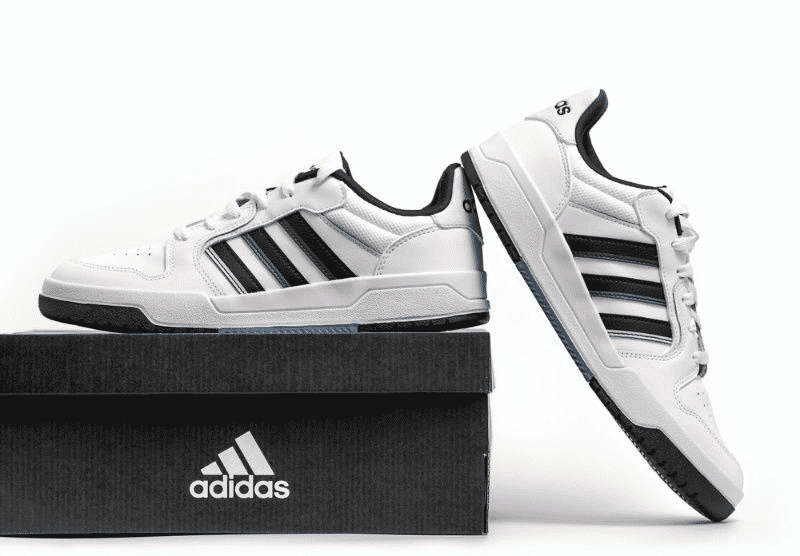
Additionally, Adidas stocks a range of balanced outsole structures for various court types. There are players who prefer to use one trial match shoe for both training and competition.
New Balance all-court shoes put an emphasis on comfort and support. The wider fitting options help in providing the extra room that players require.
Wilson uses tennis shoes for fast court movements and sliding. The neutral grip can power over hard and clay, but it is far too stiff.
You May Also Like This: Tennis Grips 101: How Each Grip Type Impacts Your Game
A variety of court surfaces demand different kinds of support, grip, and control of movement. Focuses on the shock absorption and the toughness of the materials on the hard court shoes, while the clay court shoes enable easy and controlled slides; grass court shoes will give you quick responses when played on the slick ground.
The best tennis shoes depend on your style, your intended comfort, and the surface on which you intend to play.
Not always. The expensive shoes may contain better cushioning or higher-quality materials, but comfort and fit play a much greater part. Many players find better performance with mid-range shoes suited to their individual foot type and style of play. The most suitable tennis shoes are ones that feel comfortable, supportive, and stable during a match.
Many players practice several times a week and may change shoes as little as every few months. The grip and stability of your shoes decline as the tread becomes worn; this is particularly noticeable on hard courts. If your shoes lose their cushioning or if you find that playing feels painful or uncomfortable, it may be time to replace your hard court tennis shoes with superior support.
Running shoes are not suitable for tennis matches as they are made for linear, forward movement. Tennis involves lots of side-to-side and quick lateral movements and sudden stopping. The proper shoes for tennis are designed for lateral movement and sliding to increase your grip, support, and ankle strength while out on the tennis court over various surfaces during play.
Clay court shoes generally feature a herringbone outsole tread pattern designed to aid you during slides as well as keep the clay from building up within the tread, while hard court tennis shoes focus more on durability and cushioning for increased wear and to absorb more of the impacts.


 How to Improve Tennis Footwork with Proven Movement Drills?
  What are the Tennis Rules Every Beginner Should Know?
  Who are the Greatest Tennis Grand Slam Winners So Far?
  Why Players Change Rackets and How It Impacts Performance?
  What is a Flat Serve in Tennis? Simple Guide for Players
  Tennis Grips 101: How Each Grip Type Impacts Your Game
  AI Coaching: Revolutionizing Tennis Training in 2025