
Close

Few moments in sports ignite a stadium faster than a sudden, game-changing turnover returned all the way to the house. Understanding what happens during a pick-six in football unlocks a deeper appreciation for defensive strategy and lightning-fast transition plays. According to historical NFL analytics data, teams that score an interception return a touchdown in over seventy percent of their games across regular season matchups. When a defender intercepts a pass and races down the sideline, electric energy surges through fans and players alike.
Learning how these explosive scoring plays unfold elevates your overall game-watching experience. It helps sports enthusiasts track tactical coverage shifts and evaluate defensive player performance with true analytical confidence.
In this comprehensive football breakdown, we explain the meaning of pick six, examine fundamental pick-six rules, review famous NFL pick-six moments, explore defensive touchdown in football mechanics, and answer common fan questions.
Asking what a pick-six in football is and how it happens touches on one of the most exciting scoring plays in gridiron sports.
A pick-six occurs when a defensive player intercepts a forward pass thrown by the offensive quarterback and returns it across the opponent's goal line without being tackled. The slang term "pick" represents the interception itself, while six signifies the automatic six points credited for scoring a touchdown.
Inquiring about what is the difference between a pick-six and an interception highlights essential play outcome variations.
An interception happens whenever a defender catches a pass intended for an offensive receiver, securing possession for their team. However, an interception only becomes a pick six if the defender returns the ball all the way into the end zone for six points during that same play.
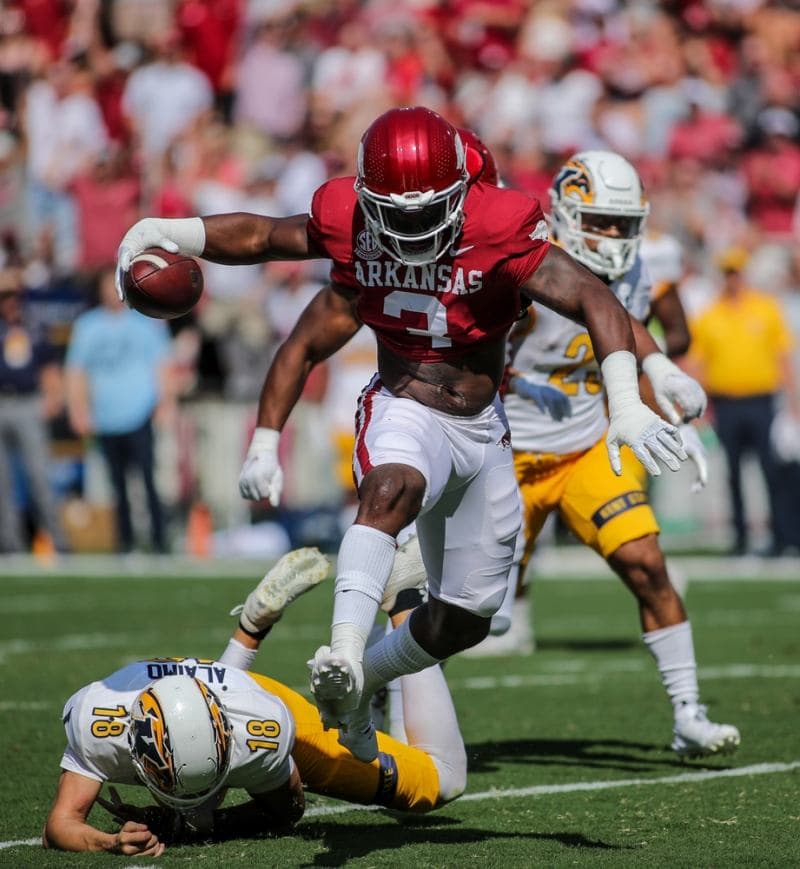
Exploring why is an interception returned for a touchdown called a pick six reveals the origin of popular sports terminology.
Football commentators and players coined the phrase by combining two fundamental elements of the play. The word “pick” serves as common football jargon for snatching an opponent's pass, and "six" reflects the six points awarded for the defensive touchdown in football.
Must Try: What Is a Touchback in NFL Football? A Simple Rules Guide
Reviewing official NFL pick-six rules clarifies how scoring and possession transitions function during turnover returns.
Asking how many points a pick-six scores in football leads to a straightforward breakdown of football scoring fundamentals.
A pick-six awards six points to the scoring defensive team, exactly like a standard offensive touchdown. Following the score, the team sends out their point-after-touchdown unit to attempt an extra point kick for one point or a two-point conversion run or pass.
Understanding what happens after a team scores a pick-six in the NFL highlights administrative game procedures.
Once the referee signals a touchdown, the scoring team gets one try for an extra point or a two-point attempt. After completing the conversion attempt, the scoring team kicks off to the opposing team, resuming regular game play.
Analyzing famous NFL pick-six plays highlights legendary defensive players who mastered turnover returns.
Cornerbacks like Deion Sanders and Rod Woodson earned Hall of Fame honors by transforming defensive interceptions into immediate scoring threats. Furthermore, James Harrison's historic one-hundred-yard interception return touchdown in Super Bowl XLIII stands as one of the most iconic defensive plays in football history.
Read More: Understanding Different Football Positions & Their Roles
Understanding defensive scoring mechanics enriches every fan's appreciation of football tactics and rapid momentum shifts. Throughout this gridiron guide, we defined pick-six meaning, outlined official NFL pick-six rules, compared basic interceptions against touchdown returns, and reviewed historic game examples. We also detailed post-score administrative procedures, explained point values, and analyzed how defensive turnovers influence final game outcomes.
Grasping how defensive players capitalize on quarterback mistakes adds deep insight to your weekend football watching routine. Recognizing strategic coverage reads allows sports fans to celebrate game-changing defensive plays with true expertise.
To discover top-rated sports gear, access expert athletic reviews, and stay updated with high-performance equipment evaluations today, visit our sports review portal to elevate your fan experience.
Yes, an offense can score a safety if a defender intercepts a pass outside the end zone, runs backward into their own end zone, and gets tackled there. In this rare scenario, the offense earns two points because the momentum carrying the ball into the end zone originated from the defensive runner.
Yes, a pick-six counts as an official interception against the throwing quarterback in individual season statistics. However, the yards gained by the defender during the return do not affect the quarterback's passing yards allowed, as return yardage belongs strictly to defensive team performance metrics.
The longest recorded interception return in NFL history is 107 yards, achieved by Ed Reed of the Baltimore Ravens in 2008. Reed intercepted a pass deep inside his own end zone and navigated down the entire length of the field to complete an extraordinary touchdown return.
A pick-six provides massive point boosts in fantasy football leagues by awarding points for both the turnover and the defensive touchdown. Most standard fantasy scoring systems grant two points for securing an interception plus an additional six points for returning it across the opponent's goal line.
Yes, if a defender intercepts a pass during an opponent two-point conversion attempt and returns it to the opposite end zone, the play scores two points. Known as a defensive two-point conversion, this specialized rule rewards defensive teams for returning turnovers during post-touchdown try attempts.


 How Should You Build an Elite Football Workout Plan?
 What is Nickel Defense in Football, and How Does it Work?
 What Is a Touchback in NFL Football? A Simple Rules Guide
 Who are on the FIFA Club World Cup Winners List, 1930-2026?
 How are Football Wearables Changing the Modern Game?
 Best Plyometrics for Soccer: How to Build Match-Day Power?
 Understanding Different Football Positions & Their Roles