
Close

Engines scream, tires grip, and for a split second, everything hangs in the balance. Motorsport crashes are both feared and expected, dramatic yet deeply serious. Fans cheer the speed, but they hold their breath when metal meets metal. Are these moments pure entertainment, or are they an unavoidable part of racing’s DNA? The answer sits somewhere between thrill, risk, and relentless progress in safety.
Motorsport crashes sit at the heart of a debate that never quite goes away. Are they part of the show, or are they an unavoidable cost of speed? Every time engines roar at Daytona or Monaco, fans know there is risk involved.
Racing crashes make headlines. Car racing accidents spark instant replays. F1 crashes flood social media within seconds. Yet, behind every dramatic spin or shattered front wing is a human being strapped into a cockpit at 200 miles per hour.
Let’s be honest. High-speed competition pulls people in. When cars run inches apart at Talladega or through tight corners at Circuit of The Americas, adrenaline rises. And when contact happens, hearts stop.
Part of the draw is unpredictability. Motorsports are not scripted. A tire failure, a missed braking point, a sudden rain shower, any of these can change the outcome. Racing crashes become defining moments in a season.
Suggested Reading: Racing with Respect: Unraveling the Etiquette of Motorsports
There is something deeply human about watching risk unfold. It is not about cruelty. It is about intensity. Racing crashes compress fear, speed, and uncertainty into a few seconds.
For American audiences raised on NASCAR, IndyCar, and Formula 1 broadcasts on ESPN, these moments are part of racing culture. Yet the reaction is rarely a celebration. It is silent first. Then, there is relief when the driver climbs out.
Why do we watch replays? Why do broadcasters show them from five angles?
Because of crash test limits. They remind us how close athletes operate to the edge. In football, a hard tackle hurts. In racing, a mistake at 180 mph can be catastrophic. That scale changes perception.
There is also trust involved. Fans trust safety teams, trust the engineering, and trust that drivers have a fighting chance. Without that trust, the sport would lose legitimacy fast.
Today, a dramatic wreck spreads across X and Instagram in minutes. Clips circulate before the safety car even leaves the track.
This creates a strange loop. The more dramatic the incident, the wider it spreads. Yet the same platforms also share updates from teams confirming a driver is okay. Technology amplifies both fear and relief.
Car racing accidents are not just viral videos. They are physical events with consequences. Even when drivers walk away, they often deal with bruises, concussions, and emotional strain.
Think about the sheer forces involved. A sudden deceleration from 200 mph to zero in seconds is brutal. The body absorbs it. So does the mind.
Formula 1 has seen dramatic moments that forced change. One well-known example is the fiery crash of Romain Grosjean at the Bahrain Grand Prix in 2020. His car split and caught fire after hitting a barrier at high speed. Against the odds, he survived and walked away.
That survival was not luck alone. It was the result of years of motorsport safety innovation, including the halo cockpit protection device.
Earlier eras were harsher. The fatal crash of Ayrton Senna in 1994 at Imola shook the sport deeply. It led to sweeping safety reforms in F1. Speeds were controlled, circuits redesigned, and car structures strengthened.
Don't Miss: Top 10 Unforgettable Races in the History of Motorsports
If you watch racing from the 1970s and compare it to today, the difference is staggering. Cars are stronger. Helmets are smarter. Medical response is faster.
Motorsport safety is not static. It is a constant engineering race, almost as intense as the race on track.
Modern race cars are built around survival cells made from carbon fiber composites. These structures are designed to stay intact even when the rest of the car disintegrates.
There are also:
In NASCAR, the SAFER barrier lines many ovals. It absorbs energy during impacts, reducing the shock transferred to the driver. In Formula 1, the halo device protects the head from debris.
At major events in the United States, trauma teams are on site. Medical cars follow the first lap in F1. Helicopters stand ready.
Honestly, this level of preparation makes a huge difference. Quick response time can turn a serious crash into a survivable one. The sport learned that lesson the hard way decades ago.
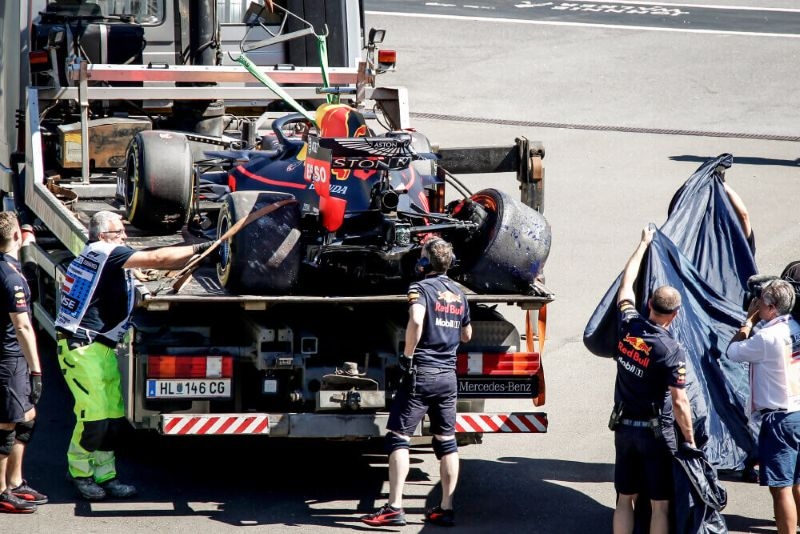
The worst racing crashes are not remembered for spectacle. They are remembered for loss. Events like the 1955 Le Mans disaster, where more than 80 spectators died, reshaped safety thinking across motorsport. Tracks were redesigned. Safety standards tightened.
In the United States, tragic incidents in IndyCar and NASCAR led to cockpit redesigns and stricter rules. The loss of Dale Earnhardt in the 2001 Daytona 500 prompted the mandatory use of head and neck restraint systems across NASCAR.
It sounds harsh, but motorsport often improves after tragedy. Each investigation uncovers weaknesses. Each weakness leads to a redesign. Barriers are rebuilt. Run-off areas are expanded. Speed limits in pit lanes are introduced.
Also Read: Virtual Velocity: The Rise of Esports in Car Racing
Motorsport crashes will always be part of racing. They shock us, scare us, and sometimes change the course of history. Racing crashes generate headlines. Car racing accidents trigger debate. F1 crashes prompt rule changes. The worst racing crashes leave scars that last for decades.
But if you look closely, you will see something else. You will see relentless progress in motorsport safety. You will see engineers, doctors, and officials working quietly behind the scenes.
Not necessarily. While crashes are still visible, improved safety standards and stricter rules have reduced fatal incidents significantly compared to past decades.
F1 cars are lightweight and designed to break apart to absorb energy. That makes crashes appear intense, but it often helps protect the driver.
The halo cockpit protection device in Formula 1 has been widely praised for preventing serious head injuries in multiple high-speed incidents.
Most fans watch for competition and skill. Crashes grab attention, but sustained interest comes from close battles, strategy, and driver talent.


 What is Formula Drift, and How Does it Work for Drivers?
  What are the Most Popular Motorsports in the Market Today?
  The Future of Electric Motorsport and Sustainable Racing
  Top 6 Bikepacking Gear Trends Cyclists Should Know for 2026
  Top 10 Youngest Formula 1 Drivers Ever to Hit the Grid
  F1 2025 Driver Line-Up Revealed: Who's Racing for Each Team?
  Top 12 MotoGP 2024 Race Bike Liveries Ranked for 2024