
Close

Bikepacking has always lived somewhere between adventure cycling and minimalist camping. One day, you are pedaling through a dusty forest road in Colorado, the next, you are sipping coffee outside a tiny diner in rural Montana with your entire life strapped to a bike. That sense of freedom is exactly why the sport keeps growing across the United States. And as the culture grows, the bikepacking gear riders rely on keeps changing, too.
For 2026, cyclists are thinking less about carrying more and more about carrying smarter. Lighter materials, clever storage systems, smarter electronics, and gear that handles unpredictable weather are all shaping the modern bikepacking setup. Riders are also paying closer attention to sustainability and comfort without loading their bikes like pack mules.
If you are building your first bikepacking gear list or upgrading an older setup, these six trends will likely influence what ends up strapped to your frame next year.
The modern rider wants simplicity, reliability, and flexibility. No one wants to wrestle with bulky equipment halfway up a gravel climb.
The following trends highlight how bikepacking equipment is evolving to match real riding conditions across the U.S., from desert routes in Arizona to misty forest trails in Oregon.
Let’s start with the obvious star of every bikepacking setup: bikepacking bags.
Not long ago, riders had to choose between durability and weight. A tough bag meant extra ounces. A lighter one often meant worrying about torn seams after a rough ride. In 2026, manufacturers are finding a better middle ground.
Many modern bikepacking bags now use advanced fabrics like ripstop nylon blends and laminated waterproof materials. These fabrics resist abrasions while keeping weight impressively low.
A few practical changes riders are noticing include:
Brands like Revelate Designs and Apidura are pushing this trend hard, focusing on bags that stay stable even on rough gravel descents. And honestly, stability matters more than you might think.
Suggested Reading: Top 10 Unforgettable Races in the History of Motorsports
Here is something riders are realizing after a few trips: not every ride requires the same gear.
A weekend overnighter in California’s coastal hills needs a very different bikepacking setup than a weeklong trip across Utah desert roads. That is why modular systems are becoming popular.
Instead of one fixed layout, cyclists now build setups that change depending on the trip.
Common modular bikepacking equipment includes:
Think of it like building with Lego pieces. You add what you need, leave the rest behind. The bike stays lighter, and handling stays predictable.
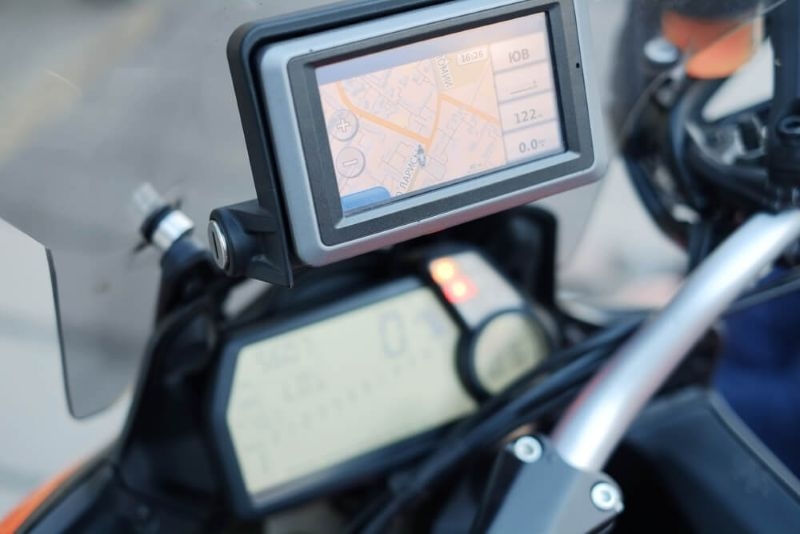
Technology has quietly become a major part of bikepacking essentials. Riders still love the simplicity of paper maps, but few want to navigate a hundred-mile route without digital help.
Modern bikepacking equipment now includes compact navigation tools and clever charging solutions.
Many riders now carry:
For example, a dynamo hub paired with a USB charger can keep your navigation device and lights running for days. It is the kind of quiet convenience that becomes priceless when you are far from the nearest town.
Don't Miss: Motorsport Crashes: Entertainment or Necessary Risk Today?
Ask any experienced rider what ruins a trip fastest. The answer usually involves weather.
Rain, cold wind, and sudden temperature swings can turn a beautiful ride miserable. That is why weather-ready bikepacking gear is trending in a big way for 2026.
Instead of bulky rain protection, riders now favor lighter and smarter solutions.
Popular gear choices include:
This shift keeps the overall bikepacking setup lean while still preparing riders for unpredictable conditions. In the Pacific Northwest, especially, this kind of preparation is not optional.
Cyclists are paying more attention to how their gear is made. Sustainability is no longer just a marketing phrase. Riders genuinely want bikepacking equipment that lasts longer and creates less waste.
Many companies are responding by designing products that are easier to repair rather than replace.
You will notice trends such as:
This shift makes sense when you think about the spirit of bikepacking itself. The whole activity is built around simplicity and respect for the outdoors.
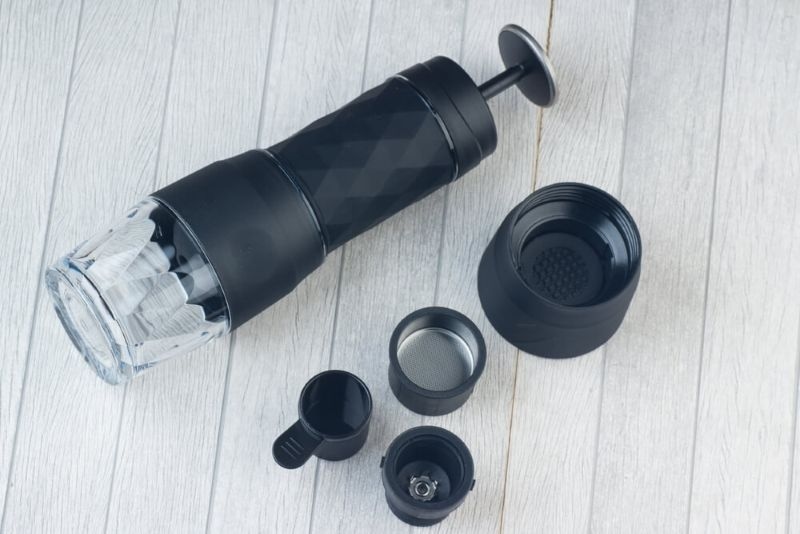
Bikepackers once treated comfort like a luxury. If something added weight, it stayed home.
That mindset is slowly changing.
Riders now realize that a few small comforts can make long trips far more enjoyable without ruining efficiency. As a result, modern bikepacking essentials now include compact versions of everyday items.
Some favorites showing up on many bikepacking gear lists include:
It may sound indulgent, but a warm cup of coffee on a chilly mountain morning can completely change the mood of a ride. The trick is choosing gear designed specifically for minimal weight and pack size.
Also Read: Racing with Respect: Unraveling the Etiquette of Motorsports
Bikepacking in 2026 is less about packing everything you might need and more about carrying the right things well. Riders across the United States are refining their bikepacking gear lists to focus on lighter materials, modular systems, smarter technology, and equipment that handles unpredictable weather.
At the same time, cyclists are rediscovering something simple but important. Comfort and sustainability matter too. A thoughtful bikepacking setup makes long days in the saddle easier and keeps adventures enjoyable instead of exhausting.
New riders should focus on bikepacking bags, basic camping gear, navigation tools, and repair kits. Keeping the setup simple helps maintain balance and comfort during long rides.
Start with core items such as shelter, clothing, food storage, and navigation tools. Then adjust your bikepacking gear list depending on trip length, terrain, and weather.
Bikepacking bags sit closer to the frame, which improves stability on rough trails. Many off-road cyclists prefer them because they keep the bike balanced.
Most riders aim for 10 to 20 pounds of bikepacking equipment excluding water. Lighter setups improve climbing ability and reduce fatigue on long rides.


 What is Formula Drift, and How Does it Work for Drivers?
  What are the Most Popular Motorsports in the Market Today?
  The Future of Electric Motorsport and Sustainable Racing
  Motorsport Crashes: Entertainment or Necessary Risk Today?
  Top 10 Youngest Formula 1 Drivers Ever to Hit the Grid
  F1 2025 Driver Line-Up Revealed: Who's Racing for Each Team?
  Top 12 MotoGP 2024 Race Bike Liveries Ranked for 2024