
Close

Stop pretending that battery-powered racing is just an experimental PR stunt. The stopwatch is the ultimate lie detector, and the numbers do not care about your nostalgia for loud exhausts or shifting gears. People are currently watching the absolute peak of automotive engineering pivot aggressively toward battery packs, thermal management, and instant torque delivery. This is not a slow, polite transition; it is a violent, high-speed takeover of the performance sector.
Must Read: Racing with Respect: Unraveling the Etiquette of Motorsports
Forget everything you know about standard engine tuning. The future of electric motorsport completely abandons airflow restrictions and fuel mapping in favor of brutal, uncompromising thermal warfare. You can build an electric motor that generates insane horsepower, but if you cannot keep the battery cells inside a razor-thin temperature window, your car goes into thermal limp mode, and you lose the race. It is that simple. The engineering focus has shifted entirely from combustion efficiency to managing the massive heat loads generated by high-discharge battery packs and silicon carbide inverters.
Even legacy racing is being forced to adapt. Look at the 2026 Formula 1 regulations. The sport is moving to a near 50/50 power split between the internal combustion engine and the electrical system, tripling the electric output to a massive 350 kW. They are ditching the complex MGU-H and forcing teams to rely heavily on aggressive energy recovery and battery deployment.
Top Pick: Driver's Mind: Mental Strategies for Success in Car Racing
The grid is expanding incredibly fast, and it is leaving traditional racing formats scrambling to keep up. Here is exactly what is driving the rise of electric vehicle racing competitions right now:
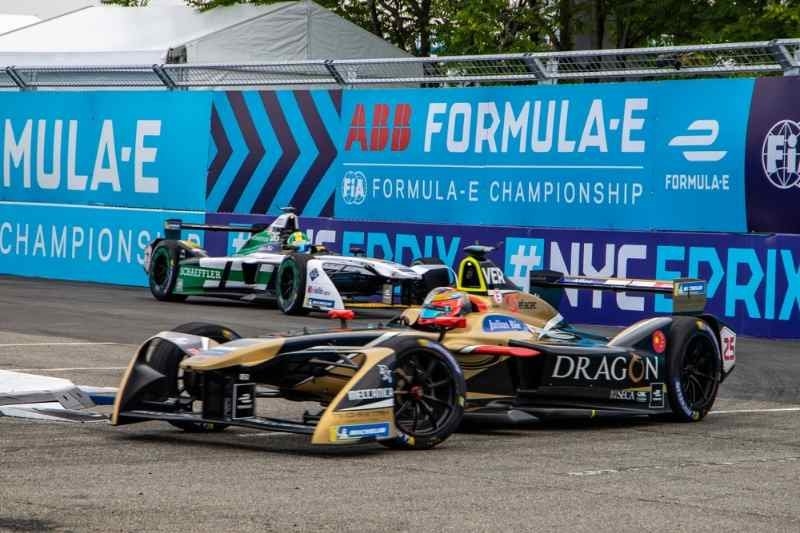
This is no longer a slow street-circuit sideshow. The upcoming Gen4 Formula E car is an absolute monster. Set to debut in the 2026/2027 season, these machines will hit speeds over 335kph with a 0-200kph launch in just 4.4 seconds. They are introducing a massive 71% power increase during attack mode, proving that the series is rapidly outpacing the development curve of older, gas-powered open-wheel cars.
The dirt-track battles are evolving rapidly. Extreme E, which initially forced electric SUVs through some of the most dramatic and hostile landscapes on the planet, is transitioning into Extreme H. This marks the world's first major hydrogen-powered racing series. They are actively testing the limits of hydrogen fuel cell performance in raw, unpredictable environments where dust, extreme heat, and violent impacts destroy fragile tech.
The movement is not restricted to asphalt and dirt. The E1 series is currently tearing up the water with the world's first fully electric powerboat racing championship. It proves that the technology scaling up in these competitions spans every single performance medium, forcing entirely new industries to figure out how to cool electric drivetrains when surrounded by saltwater.
You cannot just rip the engine out of a chassis, drop in a battery, and expect to win. EV racing forces drivers and mechanics to unlearn decades of track strategy:
Mechanical brakes are taking a massive backseat. In these vehicles, you rely heavily on aggressive regenerative braking. The motor itself acts as the primary brake, pulling kinetic energy directly back into the battery. If the regen mapping is too aggressive, it will instantly lock the rear tires and spin the car.
Internal combustion engines have a progressive power curve. You have to build RPM to get the car to launch. Electric motors deliver absolute maximum torque at zero RPM. If a driver snaps the throttle out of a low-speed corner, that instant spike in rotational force will instantly shred the rear tires.
You cannot just jam a high-speed charger into a race car and fill it up like a gas tank. Pushing massive kilowatts into a depleted battery generates extreme, dangerous heat. Pit strategies are now entirely dictated by thermal management.
The real battleground is entirely invisible to the spectators in the stands. Success in electric vehicle racing comes down to microscopic software adjustments and high-voltage safety protocols:
We are dealing with 800-volt to 1000-volt powertrains that can be instantly lethal if something arcs. Pit crews have to operate like highly trained bomb squads. The cars are fitted with strict isolation monitoring systems and external indicator lights. If a car takes a hit on the track and the light turns red, the chassis is live, and no one can touch the vehicle without specialized, high-voltage insulated gear.
You do not grab a wrench to change how an electric car handles out of a corner. You plug in a laptop. Engineers completely rewrite the inverter logic between qualifying rounds. They map out highly specific torque vectoring algorithms that send different power levels to individual wheels, actively pulling the car through the apex of a turn without relying purely on mechanical grip.
The technology being abused on the track right now is not staying there. The advanced cooling jackets, hyper-efficient silicon carbide inverters, and ultra-precise battery management systems (BMS) being tested under immense racing pressure are directly shaping the consumer electric road cars you will eventually buy. It is the fastest, most brutal research and development lab in automotive history.
The internal combustion engine is not dead yet, but it is no longer the sole benchmark of performance. To stay relevant, you have to acknowledge that the future of electric motorsport is already dominating the engineering space. The teams that refuse to adapt to high-voltage architecture, aggressive thermal management, and software-defined handling will simply be left behind.
Absolutely. You cannot just jump from a standard gas car into a high-voltage race chassis. Top-tier series forces drivers to earn a specialized FIA e-license. This strict certification guarantees they understand complex electrical safety protocols, battery thermal hazards, and exactly how to escape a live car during a catastrophic crash.
Track crews treat a crashed EV like an active hazard. They completely avoid touching the chassis until external indicator lights confirm the high-voltage system is dead. If the battery pack enters thermal runaway, standard extinguishers are completely useless. Marshals must use specialized chemical suppressants or physically submerge the car in water.
Yes. You do not need a massive Formula E contract to start racing. Local tracks are aggressively expanding their grassroots programs. Weekend drivers are currently pushing modified consumer electric cars and custom DIY battery swaps to the absolute limit in dedicated EV drag nights, specialized autocross classes, and local hill climbs.


 What is Formula Drift, and How Does it Work for Drivers?
  What are the Most Popular Motorsports in the Market Today?
  Top 6 Bikepacking Gear Trends Cyclists Should Know for 2026
  Motorsport Crashes: Entertainment or Necessary Risk Today?
  Top 10 Youngest Formula 1 Drivers Ever to Hit the Grid
  F1 2025 Driver Line-Up Revealed: Who's Racing for Each Team?
  Top 12 MotoGP 2024 Race Bike Liveries Ranked for 2024